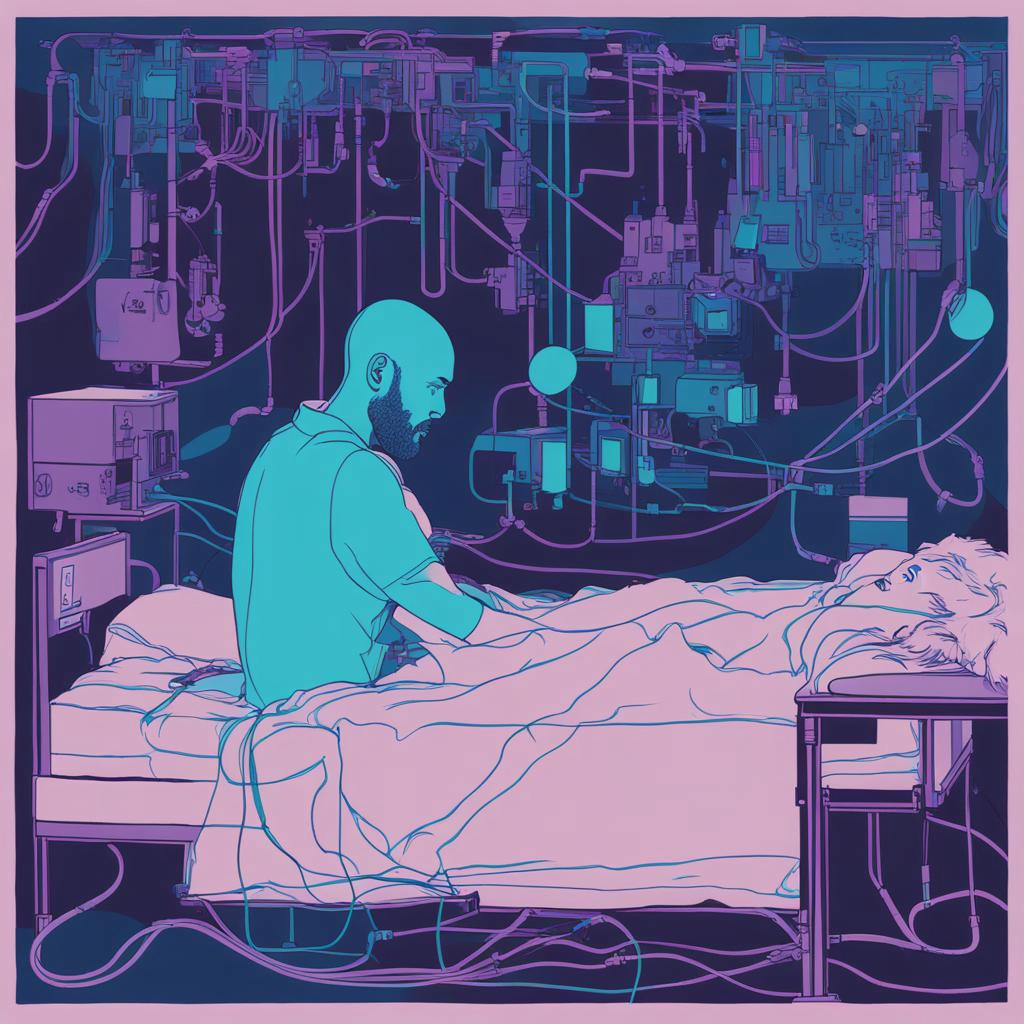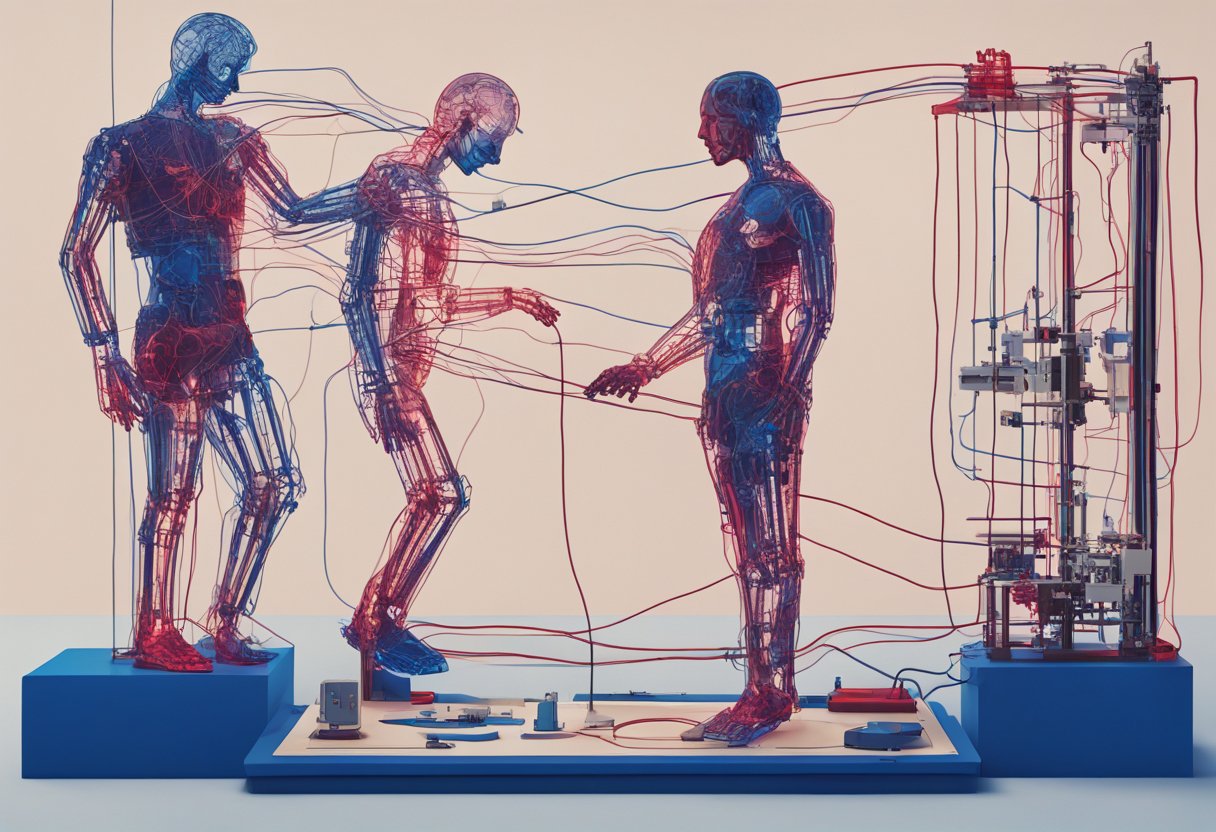
In the realm of artistic exploration there are moments when a helping hand can be the catalyst for remarkable transformation. For me, that transformative spark arrived in the form of a grant from the Arts Council of England, a golden opportunity to breathe new life into my creative journey as I wrestle with integrating big changes in my life.
This grant from the Arts Council of England serves as a ticket to venture beyond the confines of my established creative methods, embarking on a quest to broaden the horizons of my artistic scope. A chance to break free from the comfort of familiarity and embrace the uncharted territories of innovation and imagination.
There are three main strands of my investigations:
- Firstly the development of automated physical instruments – devices which interpret gestures and replay them in a variety of way, this will allow me to explore gestural music even with reduced mobility.
- Secondly – to look at the ways that such devices can be integrated into multimedia installations so that visitors can interact with gestural instruments and visuals in my absence. These installations should have a strong interactive image and video component.
- Thirdly – to explore new ways of performing, people with disabilities have a range of experiences and movement issues – collaboration with sensor based movement specialists, and visual projections will allow me to continue to perform live with an expanded scope.
1. The development of automated physical instruments
Parkinson’s hampers gesture and movement which is essential to music and creativity. I still have some dexterity and movement, but not to the degree I once did and in 5 years it will be much reduced. Many creatives have faced the challenges of entropy and I’m exploring ways of creating sound with unique interfaces which not only allow me to trigger sound but that the devices will replay that sound. To address the direct effects of movement impairment I’m exploring the creation of kinetic music making devices, a range of exploratory objects which trigger sound. Replacing musical gestures with automatons.
As the disease takes hold it becomes unavoidably apparent that all our lives are short and our immediate presence, actions and impacts will all soon be gone. We will be ghosts, memories and then forgotten. I want to embrace this finite existence and use it to escape a narrative of limitations. The physicality of the devices will allow the movements of absent participants to still be heard. Physical memorials. In this world of digital media where nothing is tangible and memories are fugitive I want to explore the idea of the physical gestural memory device. Still performing long after the artists and audiences are gone.
- Replacing musical gestures with automatons informed by gesture
- Real-world sounds “plucked, strummed” but played by people enabled via machines
- How these machine gestures can enable people with limited or altered movement, and persist as epitaphs and memorials
2. New media installations – Gestural Ghosts
Historically I have created several installations focusing on how technology increasingly mediates and guides our interactions. My very first installation in 1991 consisted of exposing visitors to devices I had created, confusing technologies with obscure purposes. Installed in a remote dockland warehouse it allowed participants to experience how easily we will accept, adopt and integrate new technologies without understanding the principles, or potential impacts. I’ll revisit and re-develop my skills in this form and concepts of the metaphysical narrative steered by the medium, a theme which I want to revisit and invert. I want the gestural technology to communicate gestural decay.
The persistence and decay of physical gesture
I want the gestures of myself and the installation visitors to leave physical echoes, visual echoes. Exploring their interactions with the ghosts of previous visitors and the legacies of the work. Using sensors and microcontrollers to store and replay movements, while applying an entropic decay to these ghosts of gesture – so that the visitor can interact, and see how their own interactions will fade as have their forerunners.
- I’m exploring the ideas of AV installations where dance, mechanical music objects interact
- I’m exploring how these machine gestures can persist as epitaphs and memorials
- I’m exploring visuals to show and evoke the ideas of entropy and support the audio installations
3. New ways of performing
Lastly I want to explore how I can continue to perform live, regardless of reduced motion. Collaborating with movement specialists, creative interactive art practitioners and disabled theatre experts I intend to develop a method of utilising the other strands (gestural automata, A/V interactivity) to enable live performances which engage and inform the audience, while remaining entertaining
Conceptual Themes
Our shifting Personal Narratives as we become unwell, or impacted by traumas and disabilities
I’ve always been interested in how we humans define ourselves through the stories we tell ourselves. We have broad scale cultural narratives which define our current consensus culture, and that’s always been a part of my work. For instance when repurposing media of UFO and Sci-Fi paranoia from the 50s and 60s to show how culture was responding to the unknown in a newly atheistic world.
We also have our own Personal Narratives. There’s a field of Narrative Psychology which investigates the value of stories and storytelling in giving meaning to our individual experiences—shaping memory of past events, understanding of the present, and projections of future events. The way we frame our stories defines ourselves and our lives. Most people, and many musicians see their vitality fade as they grow older and as entropy takes effect on us. As the slings and arrows of fortune hit us our self definitions change. What we were, and what we expected to be, and where we think we are. How we define our narratives can erode in the face of a wider mediated landscape. I am exploring that.
Parkinson’s makes me think of closing options, entropy decay – everyone vanishes and all work vanishes. What is the Personal Narrative of the creative as they become disabled, or unwell, no longer vital and full of vigour. What is the definition of the artist as they/we accept mortality and our inevitable disappearance from all memory.
- Ideas of movement connectivity collaboration with dancers using sensors which activate the above devices
- Exploring visuals which illustrate the connections and evoke the concepts of experiential entropy and support the audio installations
- Potential of constructing AV installations where visitors, dancers, remote individuals, departed individuals and mechanical music objects interact
- How Personal Narratives of creative vitality, and creative decay. Vigour, youth and decline, legacy and forgetting can be repurposed.
- I’m exploring replacing gesture with automatons
- I’m exploring ideas of movement with dancers, sensors
- I’m exploring sounds in the real world “plucked, strummed” but played by people enabled via machines